Hiya! I'm an experienced Service Designer and Graphic Designer based in Greenwich, London. I have
a passion for user centred impactful design and use a versatile, creative approach which I developed
as an Art Director in the publishing industry. Come with me on a journey and hear my story...
Case Study 01 Augmented Reality
See how Service Design helped a central london publisher
utilise the latest in Augmented Reality technology.

Case Study 02 Creativity Books
Take a look at how service design principles helped create
a series that sold over a million units.

Case Study 03 Social Heads
Witness how Social Heads & Experience Haus brought a team of Service Designers to create a Service

Case Study 04 New TBC
Experience how SD principles helped a local community.
Overview
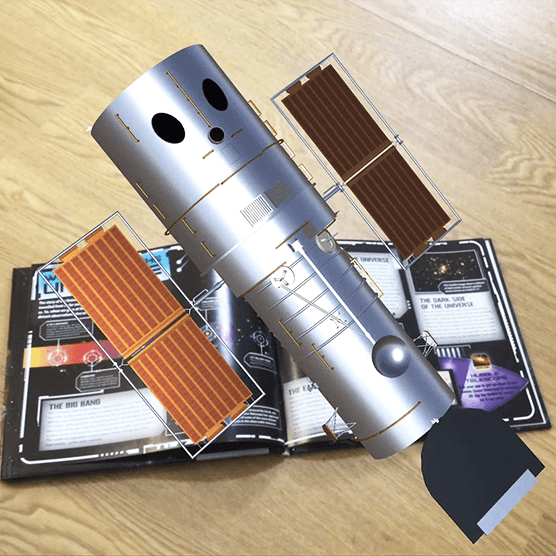
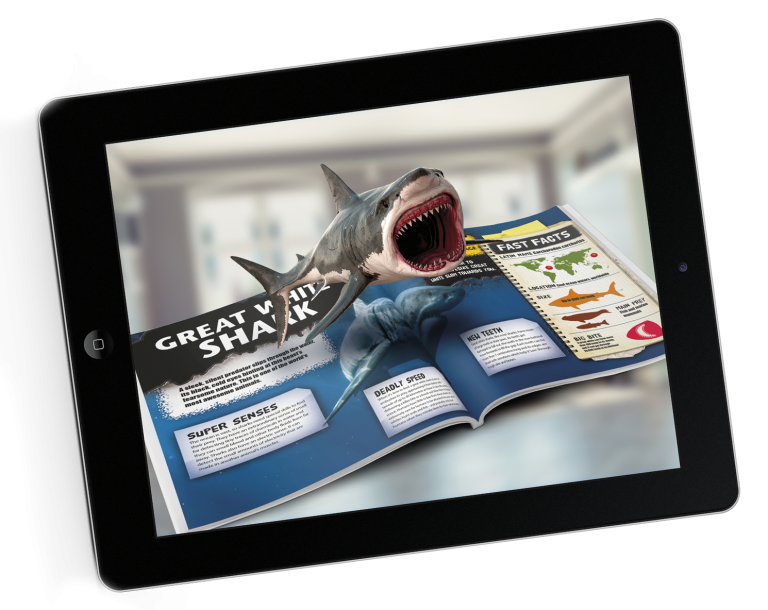
Carlton Publishing Group, an illustrated book publisher based in Central London, started to look into developing a series utilising the latest in Augmented Reality (AR) technology within books.They wanted to be the first on the market to create this new digital product integrated with content on the page.
Goal
Understand and develop the technology, become market leader for innovation. Identify opportunities to improve or expand their service offering with an eye
to offer this product to other international publishers intergrate into the broader ecosystem. Ensure that
the final service is deliverable on multiple projects.
Outcome
Two final service concepts:
a) Service for unifying print and digital creation of the apps at cost.
b) User centred service that allows the user to access the product easily and use it in conjunction with the book. A symbiosis of the printed article and the digital component.


My Role(s)
Service Designer
Content Creator
UX/UI Lead
Storyboarding
Art Direction
Methods
Desk research, interviews, surveys, role play, service
safari, synthesis wall, trend analysis, ideation, brainstorm,
journey map, storyboard, service blueprint, service
offering, prototypes digital and physical.
Tools
Figma
Mural
Adobe CC
CSS, Javascript
Awards
British Book Design & Production Awards 2015:
Best Interactive Multimedia Book ‘Jurassic World’
British Book Design & Production Awards 2013:
Best Interactive Multimedia Book ‘iSolar System’
Discovery
I started by exploring the technology, was it actually feasable to get the AR to activate? Would the natural curvature of a page affect the activation? Then I then conducted primary research through surveys and interviews as well as observational research to further understand the users’ experience and identify pain points and opportunities. How do similar products convey similar information? What was the closest service they had to this digital item?
Insights
In primary research, the term ‘Augmented Reality’
was hard to pin down the meaning with users. It felt like a jargon term for digital industry professionals only. Videos would be required for hesitant people
to understand how to use it. Stakeholder resistance to technology in ‘traditional publishing’ which was a fear to be reconciled. User to see educational value and less percieved ‘gaming aspect’. Cover to be cutting edge but convey the technology effectively! Possibly bring a ‘museum’ into your home with 3D objects created and spinable. Walk through scenes created from floorplans.
Ideation
Quick and dirty experiments followed, experience of the service based upon existing service of pop-up books, the market and the competitors, and trends
in the digital industry. I then conducted primary research through surveys and in-depth interviews to further understand the users’ experience and identify pain points or opportunities. sample books ordered with varying paper weights (gsm) to add percieved value - The book should not be a vehicle for the app, both should work and stay together.
A test quick low fidelity app was created for immeadiate sampling, this was an existing prototype from the developer. As well as closest apps available for the age group however crude.
Post-it notes for a rough experience flow. A key outcome: If app shared/ recommended without the presence of the book what can the new user do?
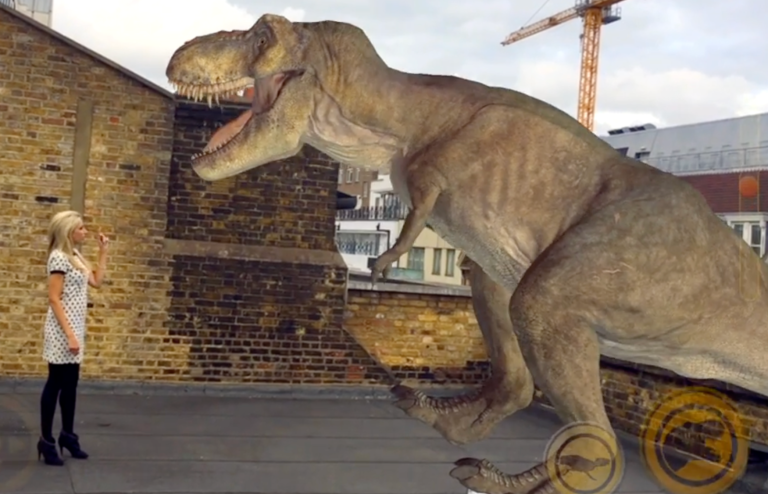
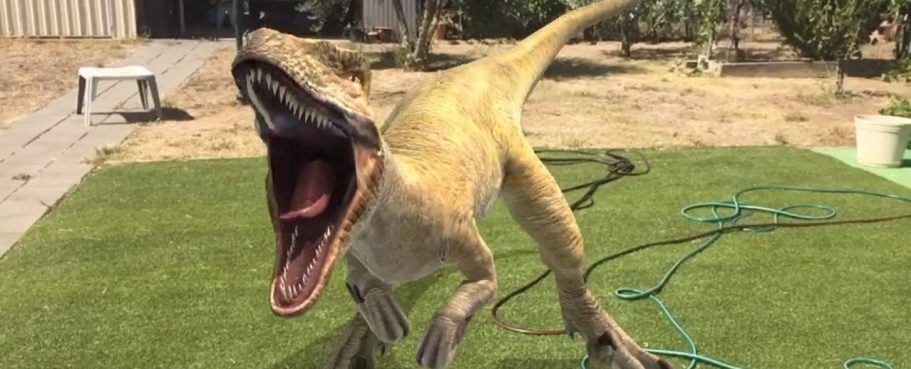
The book is required but a test sheet JPG could be downloaded for print and activation? If so the favourite based on the T-rex roaring was that favoured option.
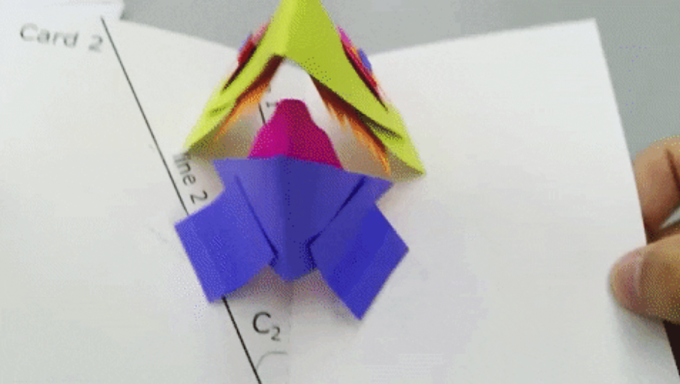
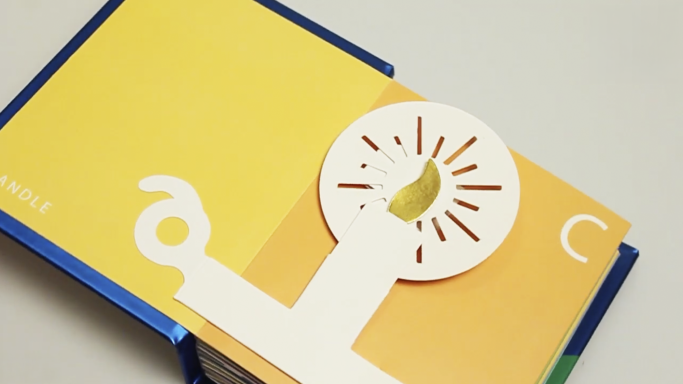
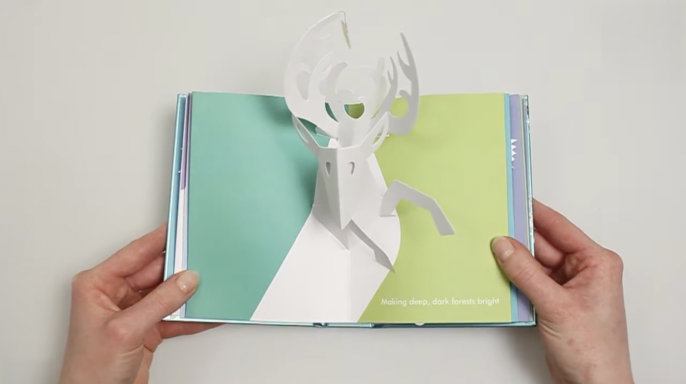
Primary Research - Creation of pop-up books was the closest current service
the client had to the digital service which would serve as a template.
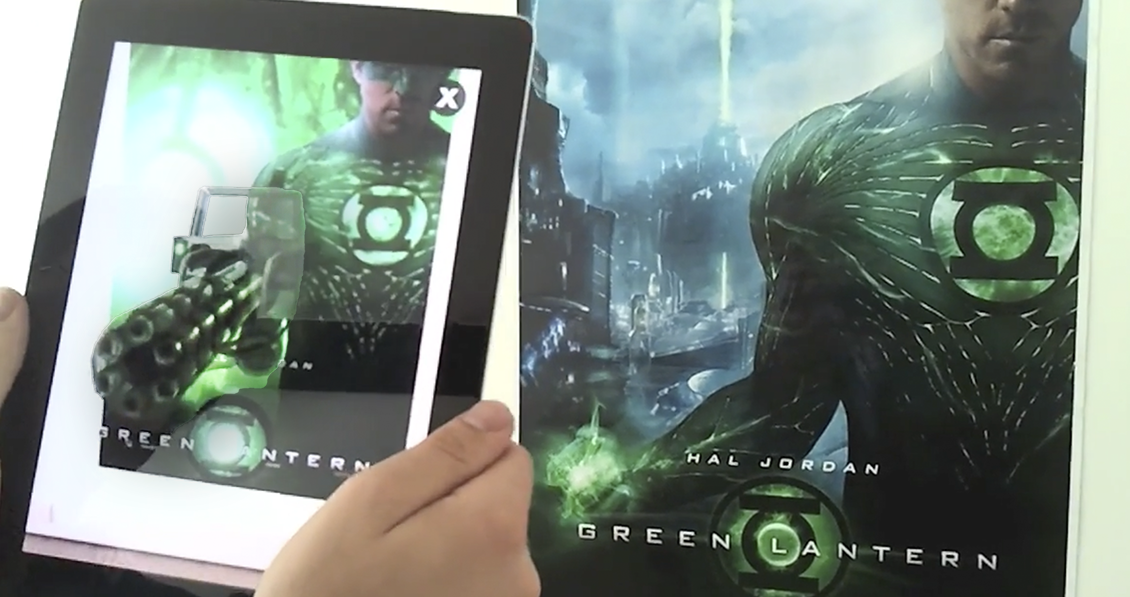
Primary Research - AR advertisment campaign for Odeon.

Prototying the App - Frontstage
We stuck sample pages into printers’ dummies and tested the low fidelity prototype app in various conditions for quick feedback and Q&As with the developer.
Once the prototyping worked we were able to present to co-edition customers as well as potential licensors who did not have this technology but would be excited to collaborate.
30 minute, Role play with 12 children and 12 devices from high to low specification. Interview with the children and parents afterward on what they found fun and what they found frustrating. data collected and refined and shared with team as well as developers.
Rudimentary flow in place based on paper prototype
to gauge feedback.
Discussions with developers and App store/ Android
for rollout timings to ensure App is available in the territories at the same time as the books in the international warehouses. A game developer added
to schedule.
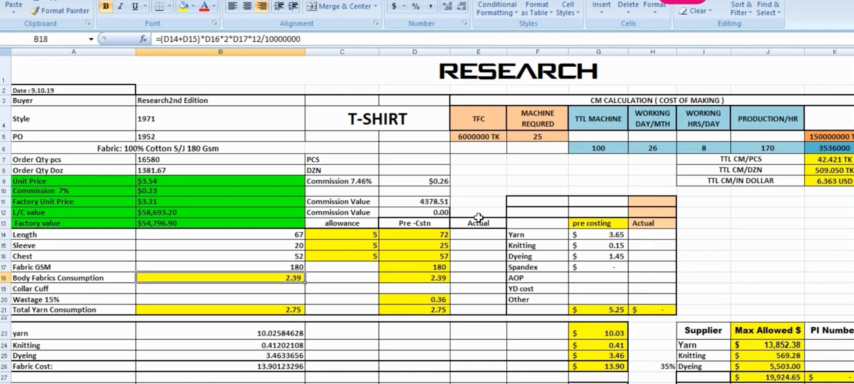
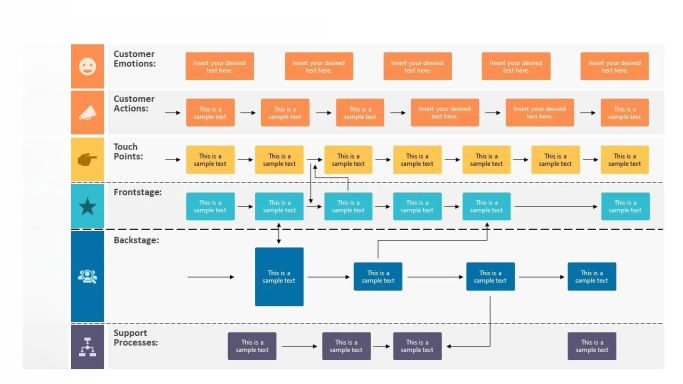
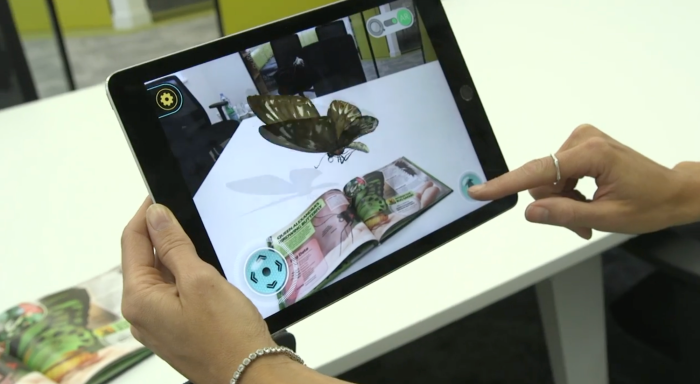
Prototyping the service - A fully working costings prototype linked to the sales document and service blueprint followed by a fun session where staff could feel empowered by sampling the digital prototype app.
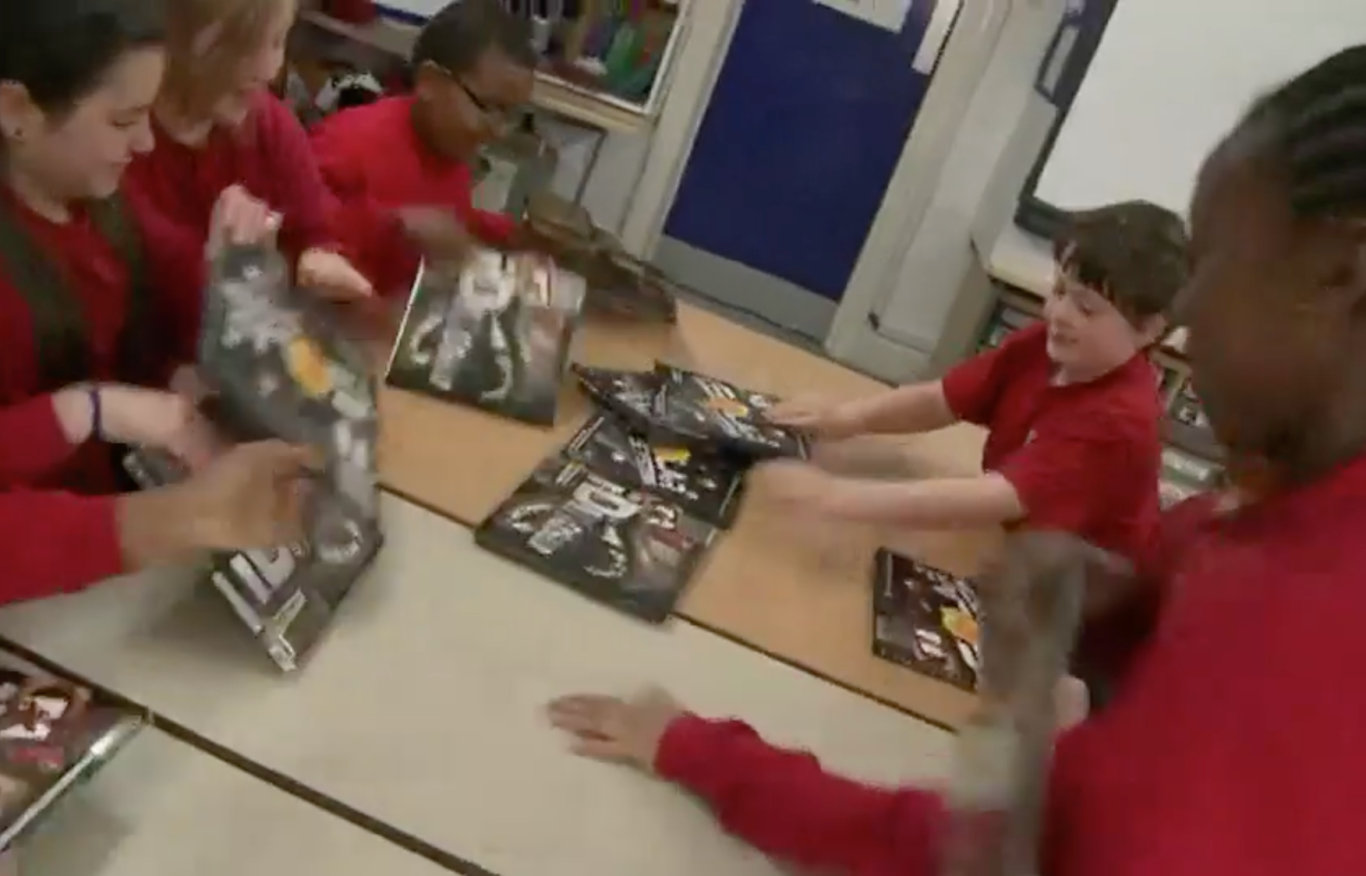
Prototyping - Local school children participate
in the testing of the demo app.
Promotion - BBC Click demo the app on their primetime slot BBC1.
Prototying the Service - Backstage
Based on the additional lead time required for the creation of pop-up books with its need for creative development as well as testing and hand glue and folds this was the closest service that could be applied and a service that was in place for 5 years which was easily applied to the print schedule with pain points of its own similar to the app creation.
Key parts of the schedule were sent to the printer,
the developer and the co-edition customers with
the ability to place buffers at key points. A template schedule was created with a formula to automatically amend the delivery dates working back from delivery of final product. This would allow for;
- ‘Peace of mind’ from stakeholders
- Allow late co-edition partners to join the print
run to improve the costs. - A template schedule to show creative time needed for new projects that required to be created in time for a film release.
- Feedback and service blueprint created.
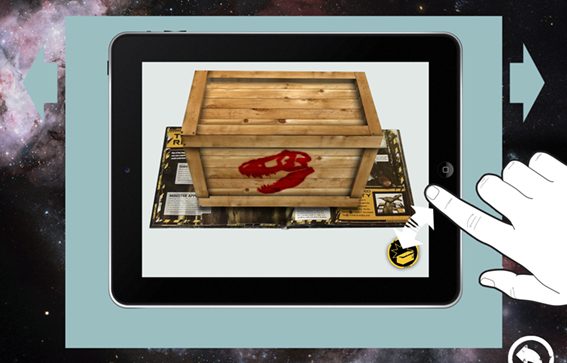
Implementation of the app
Android platform approvals were to be created based on the Apple model as no approval was required there. Apple advised on SEO (search engine optimisation)
as well as their comments on usability. UI and UX research data was applied to the app and synched to book design. Testing headed by me and a team of 3 volunteers. Raw data collected and sent to the developers 24 hour turnaround and re testing.
Rollout of the service
Staff training was important as key parts of the service required approvals that if missed could cause a significant delay and knock on effect. These approvals were not required for every AR project just ones that need consultant or licensor approvals. The service would be tailored to different types of product including the new Adult publishing offereings like Aliens and Star Wars.
Continuous improvement loops of the technology meetings took place once a month to review how the updates could be applied in the next iteration without changing the printed specifications. Editable text was available and the Service was modified again. Is the department able to consistently deliver this service
was key as 5 more books were scheduled in the coming months. With the successful rollout Carlton were able to boost recognition with a 5 star Guardian Newspaper review of technology trends.
Measurement
KPI (Key Performance Indicators) and tracking was used to monitor book sales against costs for the AR development.
Analytics for downloads, location in the world as well as what devices collected and analysed to book sales. Reviews and updates to the app monitored.
Improvements and updates
Legacy was an issue. To keep the apps on the platforms like the app store required a fee for the developers and the platform. By print 4, 5 and 6 of the titles, the one off cost of £12.99 was not sustainable partially due to second hand sales in the regions.
Two years on in-app purchases were were a now common development and added to the app with new graphics and this new content was not reffered to in the printed book.
Great reviews and media coverage were a springboard for licensors like Universal Studios and their Jurassic World films, Star Wars, Ice Age, Disney Princess. The service was modified to allow for new approvals and were re-tested.
Carlton Books Ltd were awarded 3 book awards for utilising effective multimedia in publishing.
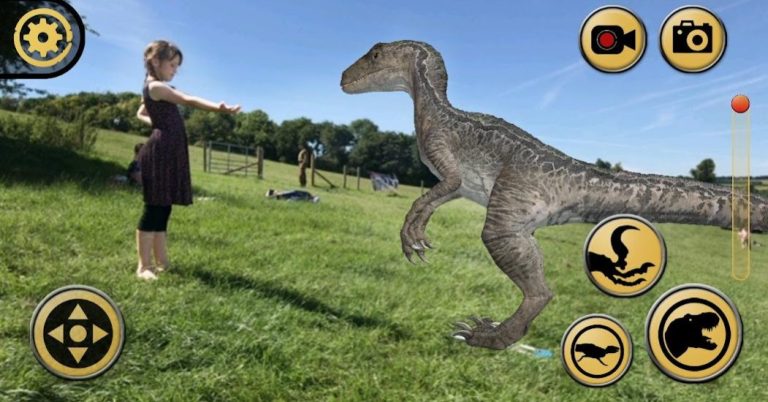

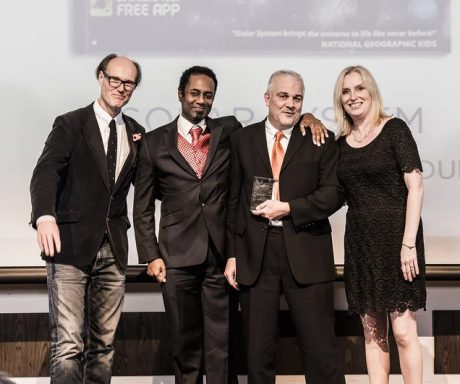
Rollout - Promotion with Jurassic World, the App store app and book trailer. The Multimedia Award presented by BBC's Arts Journalist Will Gompertz.
UI - Once the navigation was tested for
usability the screens were submitted to Apple.
UX - Testing of the App in various outdoor environment
revealed key insights.
Overview
Carlton Kids, a division of Carlton Publishing Group periodically set up brainstorm meetings to create
new series and discuss current trends. These meetings were always made up of the publisher
and editorial Only. On occasion a design representative was included.
Goal
To set up a new style of brainstorm meeting, one
that invites a new and more diverse set of people
that represents society more to ideate. A brainstorm that is less obtrusive than previous ones. More immediate results. Measure the outcome.
Outcome
Two final service concepts:
a) Service for unifying print and digital creation of
the apps at cost.
b) User centred service that allows the user to
access the product easily and use it in conjunction with the book. A symbiosis of the printed article
and the digital component.



My Role(s)
Service Designer
User Research lead
Research Participant
One of two hosts
Methods
Desk research, interviews, surveys, role play, synthesis wall, trend analysis, ideation, brainstorm, journey map, service blueprint, service offering, low fidelity physical prototypes.
Tools
Figma
Adobe CC
Discovery
Primary research through surveys and interviews as well as observational research of readers. The Service would start with Children’s Publishing. Reading habits. Formats like print, audio, interactive, collectible. Buying triggers (author-led? topic-led? gift-led?) Trends in television series and streaming researched.
Insights
In primary research we discovered that the subjects broached were ones that followed trends that existed and formats suggested fit to what the publishing agenda. Gap analysis in the market was leaned heavily upon. Questions were raised like the ability to print more locally to get costs down. Understanding the pain points of print and production. Strain on current staff who felt that they did not have the time to research as much as they should.
Data collected surprisingly showed staff feeling like they have set jobs that do not include ‘being creative’. New ideas held by Sales for long periods as they had their own ideas for new products and priotised theirs. There was a perceived openness of the MD who himself was
not originally a publishing professional but a Sales person publically willing to listen to anyone who had
an idea of it could be profitable. Cross company day
was found to be more exciting as some staff had limited interactions with other departments.
Ideation
Based on the data we created a quick and very rudimentary service where 5 key stakeholder departments were selected to participate;
a) Editorial
b) Design
c) Rights (Sales)
d) Marketing
e) Production
On review of all As there were a few members of staff
that were in a unique position, Admin staff who were recruited based on their interest in publishing post graduation. They generally had an eye to get on the ladder and join editorial/ marketing etc. They filled the age gap found in discovery and were themselves book buying public. I suggested we include these as they were ‘raw’, ‘young’ and uninhibited by the ‘baggage’ of insider knowledge, fear of stepping on toes and doubts. They wanted to have creative input and wanted to embrace the idea that they could have an impact on a new series.
The Production department head was an advocate
for production to be a part of this Service as they could help put a unique perspective. There was some debate to this idea as production were known for ‘sobering’, stripping ideas down and stifling creativity with their knowledge of the issues in the print process. Ultimately we kept them as they could offer cost effective solutions to ideas.
A designer would be allocated to each team to
help visualise and buid low fidelty prototypes.
In response to the ‘taking time away from a full
day’s work’ commment in Discovery we resorted to
a high pressure single day challenge with presentations at the end of the day where two/three members of the team would present their final ideas to the participants for their feedback and a vote
for the best ideas which would go into work. Everyone would be invited to ask questions on the concepts.
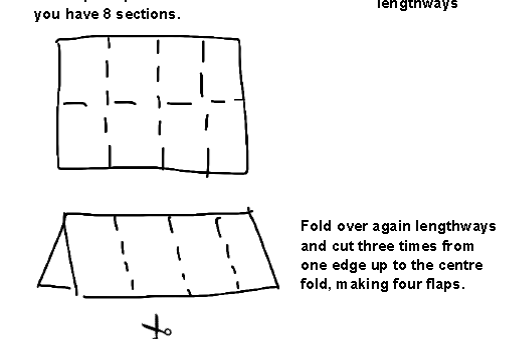
Quick sketches - Formats were created quickly
to convey concepts quickly. Participants were
encouraged to fail fast.
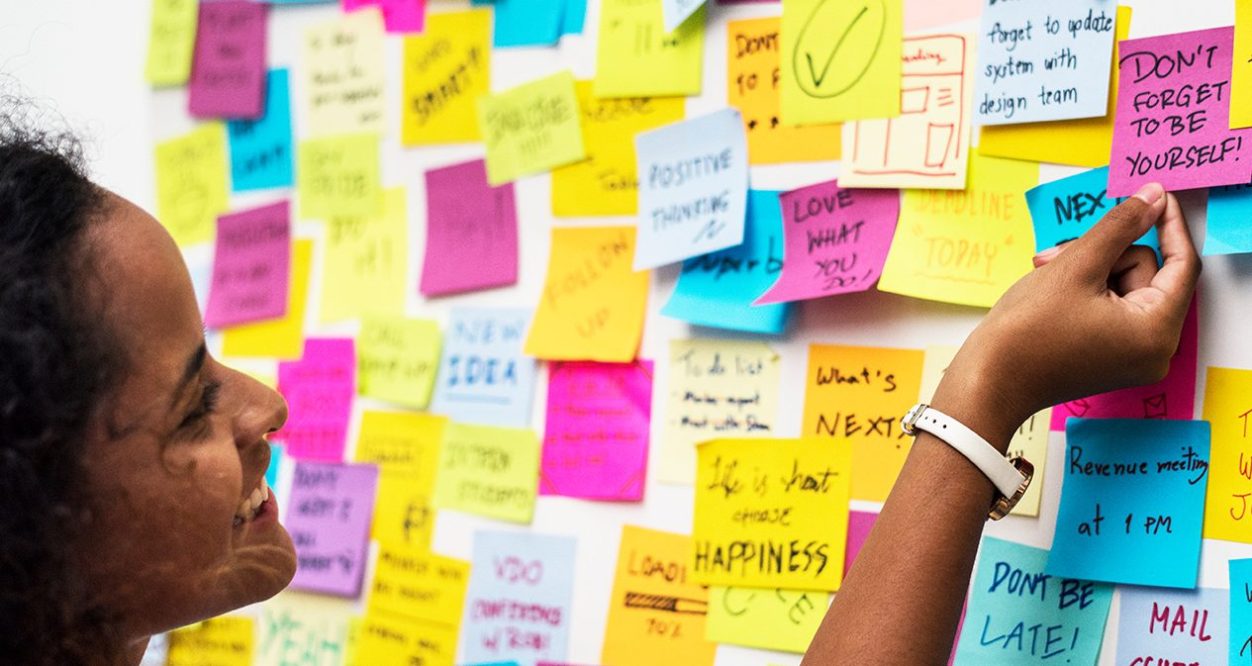
Discovery - Post-it notes covered the wall.
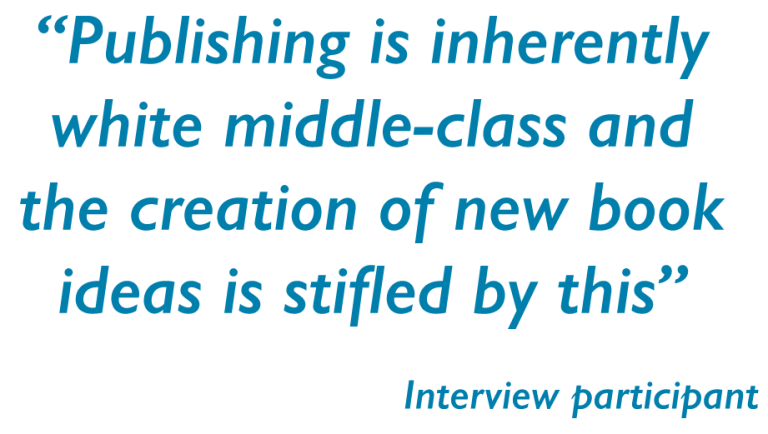
Reduces decision fatigue. Brainstorming can help teams identify strong paths forward by generating multiple options in a short period of time. It can also help lessen the burden
on individual decision-makers. Helps reduce cognitive bias. Thinking in isolation can reinforce existing assumptions. Including diverse voices through the brainstorming process can help challenge internal biases and can lead to more innovative outcomes.
There was a level of competitiveness especially amongst the sales representatives, some of whom proactively used their lunch hour to contact their overseas sales partners to pitch the ideas to gauge interest that they could feedback at presentation. Production representatives advised on the spot as to which printer would be best suited to ideas and when was best to avoid cultural holidays and de-specing ideas to get costs down, Designers suggested illustrators that were trending and created low fidelety prototypes based on that.
Editors created titles and suggested potential follow on in the series. Sales lines were created in real-time to see the margin of the potential follow on titles. Sales AI’s drafted
to serve as the highlights of the project. There was an excitement in the end of the day presentations with conversation heightened and jovial. Presentations were given with the best ideas consolidated and
a final winner crowned with claps.
Prototyping the service
Rudimentary ecosystem map to gauge feedback from
the team. Could a single day meeting be feesable? How can we keep motivations up. Role play revealed that each section of the meeting would present a new challenge and an actual break. We worked with post-its to create the beats of creation an used those as the basis. Team members could have different roles and a framework to help them answer the big questions and others like
‘who could write this?’, ‘why is this product needed?’ Opportunity areas brought up.
Implementation of the service
There was an excitement around the day. Everyone had
a voice, build alignment, we encouraged divergent thinking and framed the day as a day off to be creative and have fun. Actors were given their teams on the day. Encourages creative thinking. Brainstorming can provide a space for exploration, as it removes the pressure to be right. This mindset can be helpful over time because it strengthens creative confidence across teams and can lead to collaborative problem-solving. Provides a chance for each team member. In some workplaces, the loudest voices can dominate. Using structures and techniques such as brainwriting, a form of silent brainstorming, can make it easier for quieter members to contribute.
The service - The conectivity of the different departments was apparent in this chart.
Prototyping - Designers allocated to each team
would create quick digital prototypes.
Prototype - Hand drawn prototypes were an option.
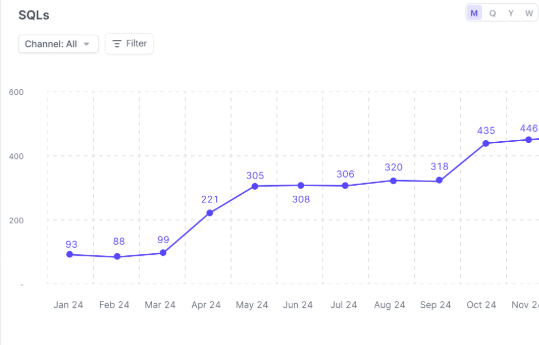
Measurement
KPI (Key Performance Indicators) tracking was used to monitor sales. Every title that was put into work was sent around the company go-ahead document as created in the ‘Brainstorm’ meeting and staff involved were listed
in the imprint page of print 1’s as a bonus. personal responsibility was taken and encouraged. New bonds formed with formely siloed departments.
Improvement and consequence
A key insight was the involvemnt of staff in creating projects and getting their name in print. I set up a
follow on service where on go-ahead of a project the
key information was summarised, a prototype cover
with layouts and some fun insightful information for everyone to see as well as a link to the presentation. Some humour was applied and a tool to gauge interaction. This Sales tool company email was
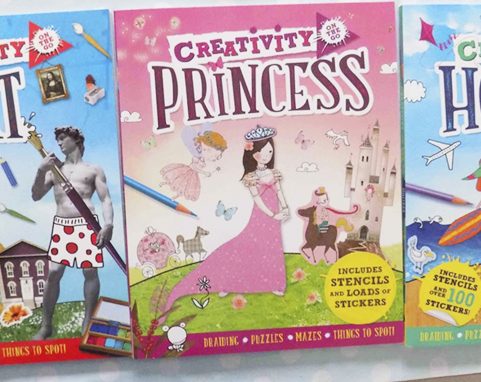
embraced and applied companywide. The success of the chosen project which spawned a top selling series called ‘Creativity Books’, named by the UK Sales Director.
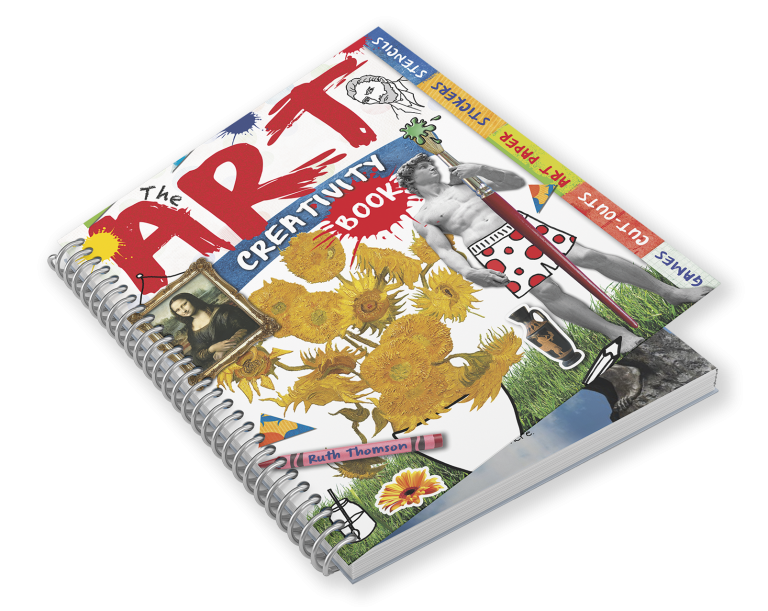
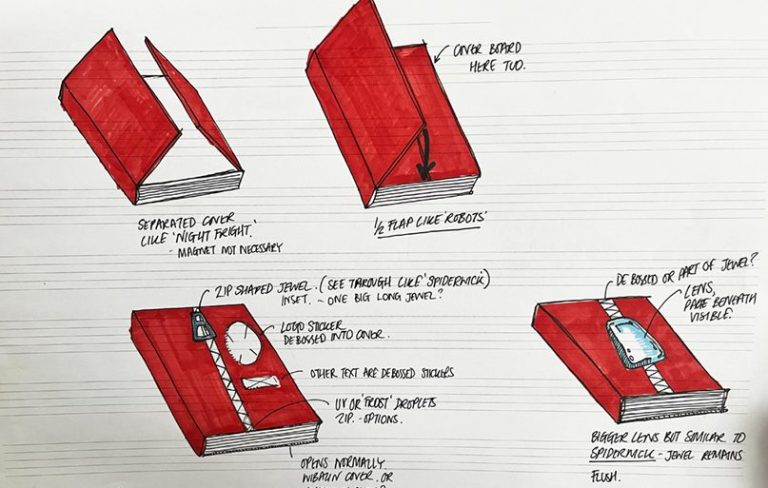
This title was an activity book with everything, stickers, stencils, colouring, fold-out pages, a poster and was spiral-bound to allow the reader to open flat, an issue raised by the youngest participant aged 19. Sales representatives wanted a spine to help if sold spine out. The titles were: Dragon, Princesses, Art, style Queen Costs were kept down by using two illustrators, one full colour and one line artist. Lots of humour and juxtaposition of photo real textures and the illustrator’s art. The series spawned two more series, My First Creativity Book, my little book of creativity.
Based on Sales’ suggestion we created the book to be able to be reduced easily to make it cheaper for other markets. text could be in colour on the one colour pages, 40% of the book which was a suggestion from an editor from a different team.
Achievements!
2 million selling new series which created new in-roads for brand new co-editions and opened pathways for licensing like Disney, Wallace and Gromit, Dreamworks’ Epic, Ice Age, National Geographic among others.
Rollout - Licences could be contacted for future projects with the data and costs
now available.
KPI - It was key to justify the service with
quantifiable results
Results - Over 20 new titles were introduced
that year with a surge of profits up on 68.9%.
Overview
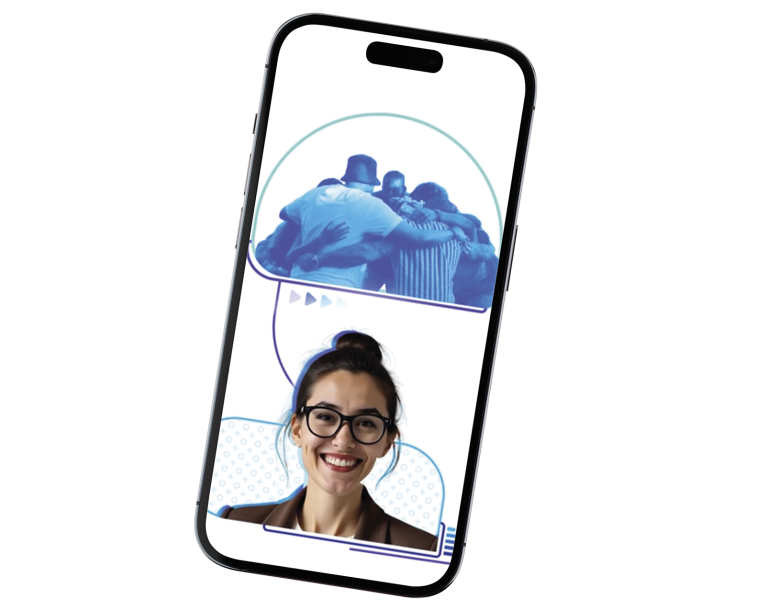
Socialheads is a safe, youth-friendly messaging platform designed for social workers and young advisees. Unlike conventional tools (like WhatsApp or corporate email), it aims to balance professional boundaries, safeguarding protocols, and the familiar, empathetic communication young people require.
Brief
Currently, the journey for a young person in care — from joining a service, engaging day-to-day, and eventually leaving or moving to another — is disjointed, exhausting, and inconsistent. Young people may need to repeat the same information multiple times, rebuild relationships, and adapt to new systems. Practitioners witness this cycle repeatedly, often without the tools to ease the burden. The challenge is to explore how Socialheads could reimagine the end-to-end service experience: onboarding, ongoing use, and off-boarding/transition to another service.
Goal
• Map the end-to-end journey of a young person engaging with a care service.
• Explore how onboarding could feel simple, supportive,
and youth-friendly, while meeting safeguarding needs.
• Identify opportunities to make the service experience throughout less fragmented, ensuring consistency and reducing repetition.
• Reimagine off-boarding/transition to another service, making it less disjointed and more empowering for the
young person.
• Consider practitioner workflows: how workers could
support smoother transitions and reduce admin burden.
Outcome
Service blueprints mapping young person and practitioner journeys (onboarding, service use, off-boarding).
● Insights into pain points and moments of truth.
● Recommendations and concepts to simplify the lifecycle
and reduce repetition/exhaustion for young people.
● Proposals for how Social Heads could support
transitions between services.
My Role(s)
Service Designer
User Researcher
UX/UI development
Storyboarding
Prototyping
Methods
Desk Desk research, interviews, surveys, role play, service safari, synthesis wall, trend analysis, ideation, brainstorm, questionstorm, journey map, storyboard, service blueprint, service offering, prototypes both digital and physical.
Tools
Figma
Figma Make
Google Forms
Adobe CC
Project Leader
Merje Shaw
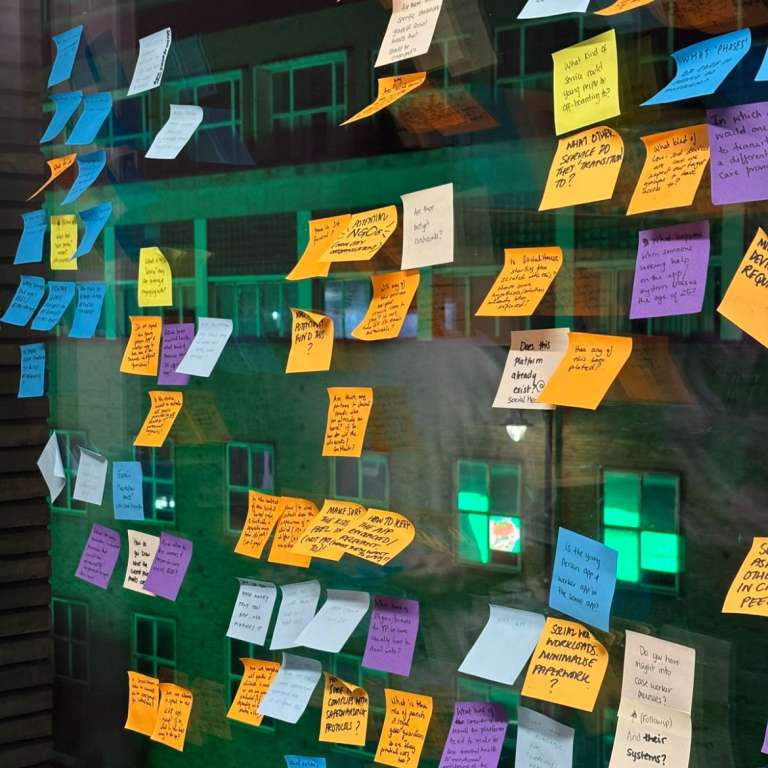
User-centred design always has the user at its heart and prioritises them. In this case the user is a young person in care and the care workers that help them. Pain points and behaviours were reviewed at every stage.
Discovery
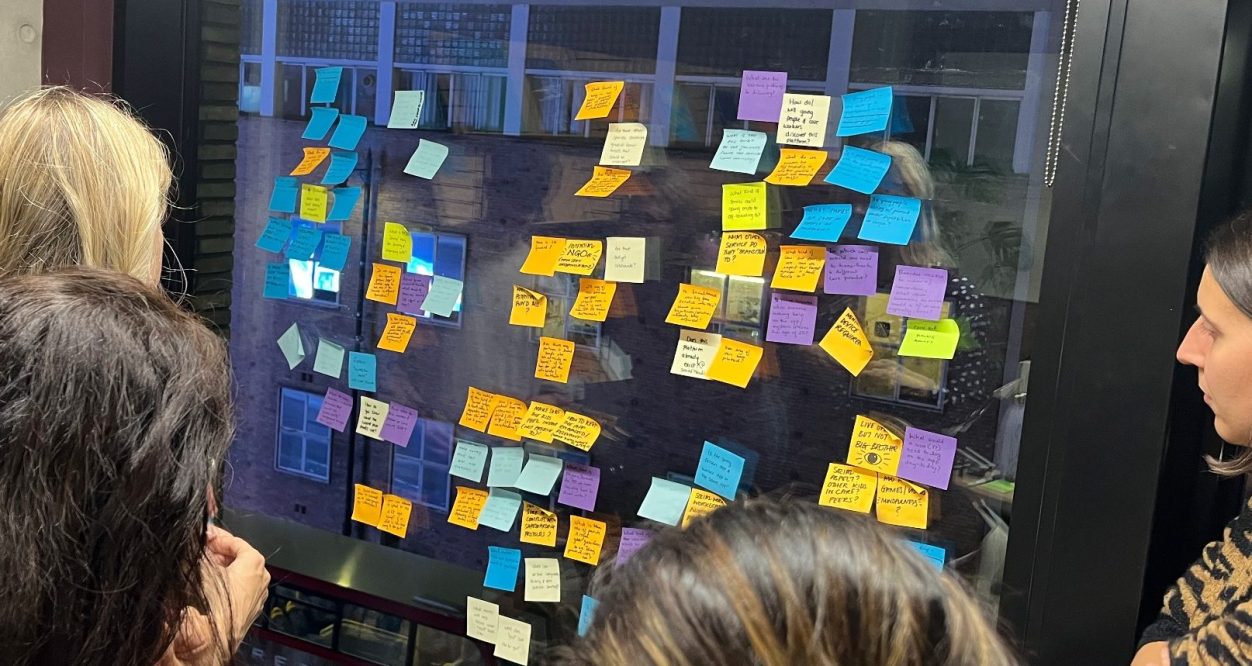
We delved into the problem space with a research data wall to help illiminate any pre conceived assumptions as none of us had been in care, just me for a short time in my youth. I have a very strong interest in this subject see LINK here. I spent a lot of time researching documentaries made in the last year or two. I wanted to figure out who the main actors were. See Kids (Channel 4). I listened to podcasts Podcasts like ‘The Relational Social Work Podcast’ I researched children’s homes in the Greenwich borough as well as news in my borough. Though Social Worker WhatsApp groups were not forthcoming, I used my abundant list of FB groups (Film, comics, parents groups etc.) to find potential participants to interview and send a survey to. I followed the news to connect with charities like Become highlighted in the BBC Breakfast. LinkedIn post which gained 300 interactions and 81 profile views for me!
We were open to justify if the Social Heads App was actually a viable solution. We collated our research participants. In order to help with the data collected I asked for contact as well as actual job roles.
From a parent group I met a key participant who had been in care, but also become a social worker. We met with the two founders, Jeremy and Matt to discuss what they have created so far including existing prototypes. Two surveys were created and an interview questionnaires with several interviews both in person and online. A poster was created with QR code to download the survey link.
I was able to send this to another group in a borough I lived in as a student who I had a regular scheduled Thursday tea morning for those formerly in care to discuss.
I conducted 3 user research interviews myself and found it a rewarding experience as I am very keen on the benefits of open discussion. We found that there was a similar service available called ‘sue solutions’ which came up in Discovery which was a similar product.
Key insights from the data
Based both the quantitive and qualitative data collected from our interviews and surveys we realised that there was indeed discrepencies in the communication landscape. Social Worker work-loading resulted in high turnover or burnout of staff and on the flip-side, consistent level of care was not possible for those who needed it. See key insights here.
We were able to gear our research to people in a care home environment as the pilot program was scheduled to take place in a care home setting. Role play was key for a second interview where we were unsure of what the answers would be, it became more of a choose your own adventure. I was super keen to mock up these artefacts for the interview. See here. We were able to define the user needs and the key problem statement as well as be open to have concepts challenged. I created the role play cards with my partner. We tested them before the session.
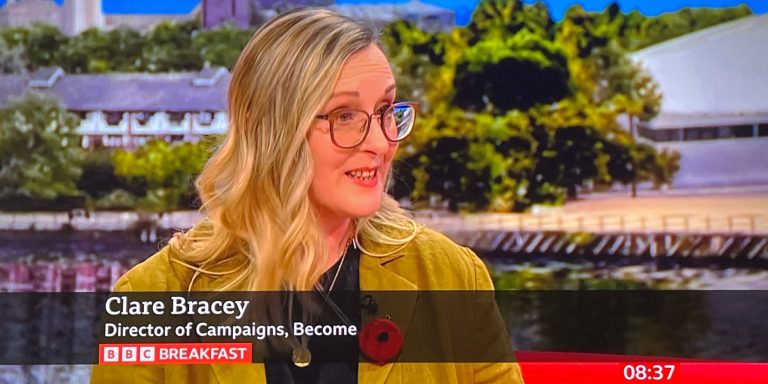
Primary Research - I approached the Charity Become for data after the interview with Clare Bracey was aired.
The Synthesis wall helped us cluster all
important insights.
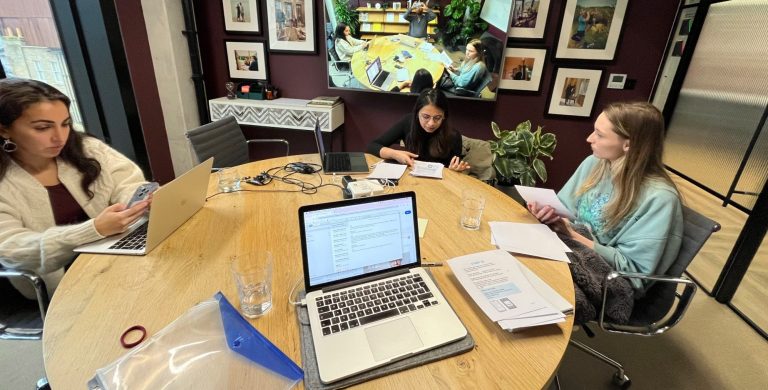
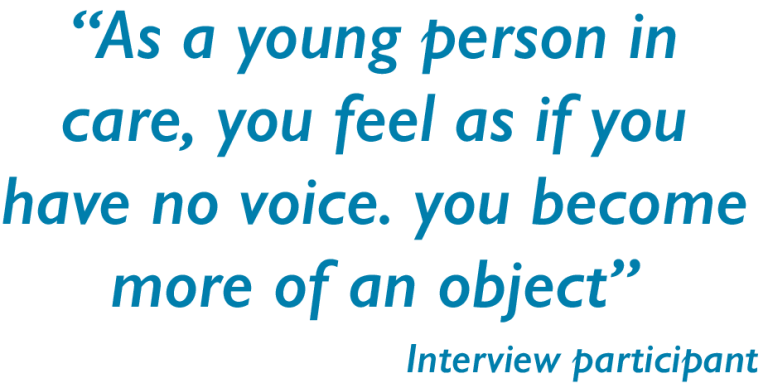
Key Insights - In many scenarios our ideas were challenged allowing us to re examine and re apply.

Personas
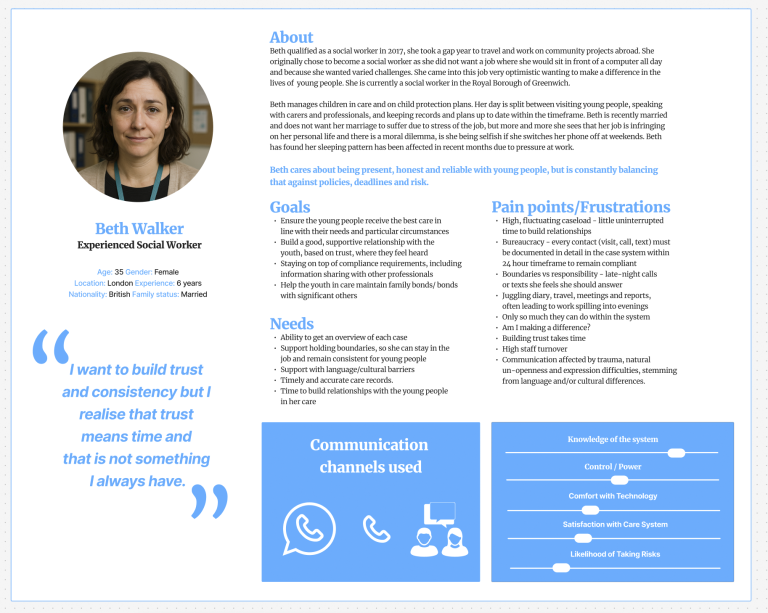
We distilled the data collected from Primary and Secondary research into two very focussed Personas. See Profile focus here! A social worker ‘Beth Walker’ and one as a person currently in care named Mia Patel. As well as being part of the team collating the data as a group I was able to ustilise my skills as a designer to refine the visual look of the Personas as well as colourways that would work with the subsequent elements like the Journey map.
Ideation
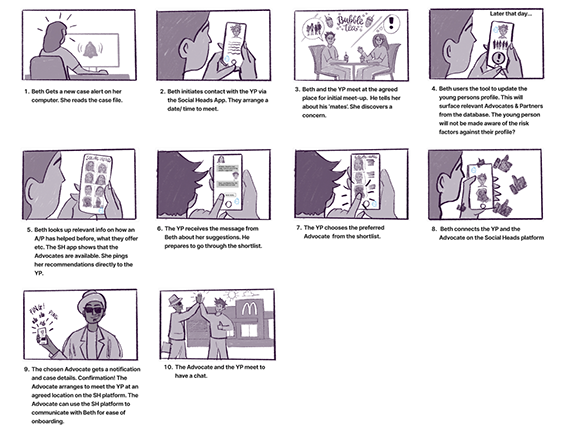
We created some very quick possible solutions in a two hour session which we split into 4 teams of 2 and worked on the storyboards see here of our plan. I was able to utilise my skills as a storyboard artist to quickly sketch the journey based on our idea see here. Storyboarding highlighted issues we had not thought of allowing us to discuss and refine. Post-it notes for a rough experience flow. Key outcome: We had two very useful outcomes that we worked up. It was good we explored multiple solutions. I used my storyboarding skills to quickly create a story board that did not require adjustments to be re written into Midjourney which is what we would have used if I was not present.
Prototyping
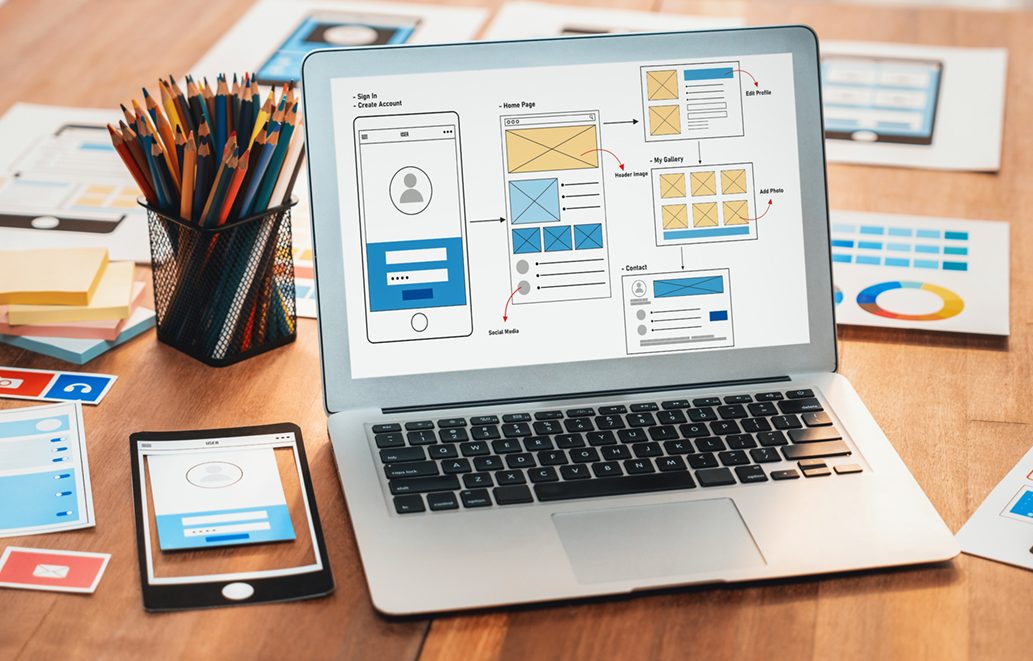
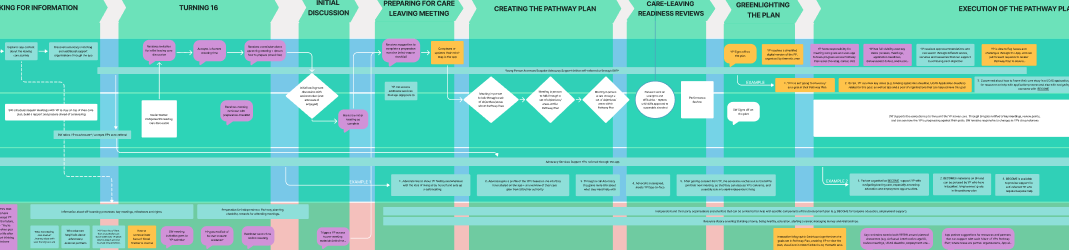
We decided in our workshop that a problem such as this one would be less about the functionality and design of the app interface and more focus should be placed on the service and solving the serious issues faced The value of our work stood there. We did however test our wireframe prototype for usability testing and a role play with two interviewees who came back especially. We created a fully working service blueprint in A0+ size which we printed for the client. A Journey map here. We had a fully testable version of the service for validation.
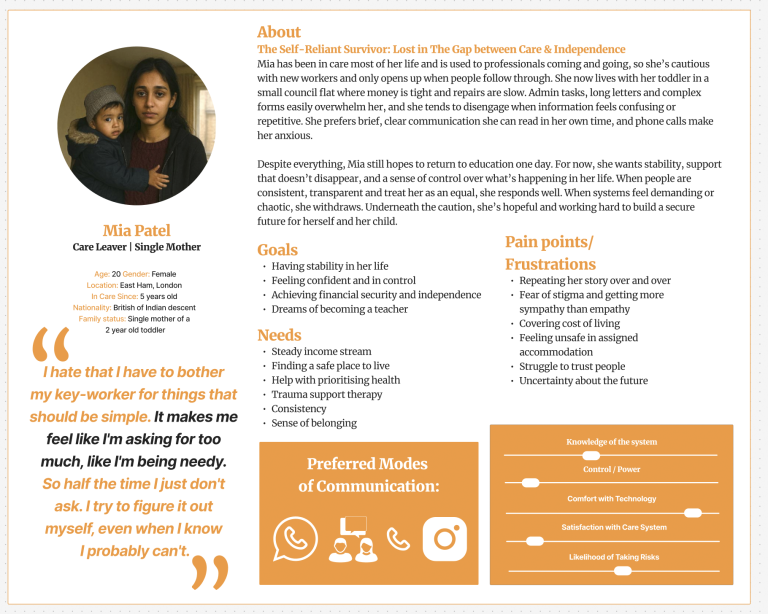
Role play cards - Our demo wireframe prototype required role play to be effective as a tool for
collating data. Art Director, Jake on duty!
Persona A - Beth Walker
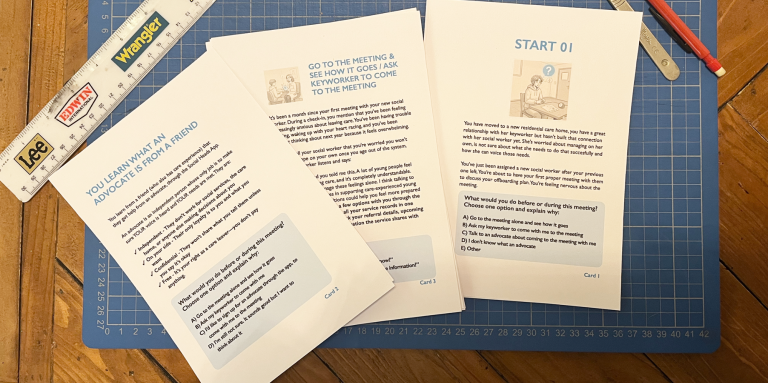
Persona B - Mia Patel
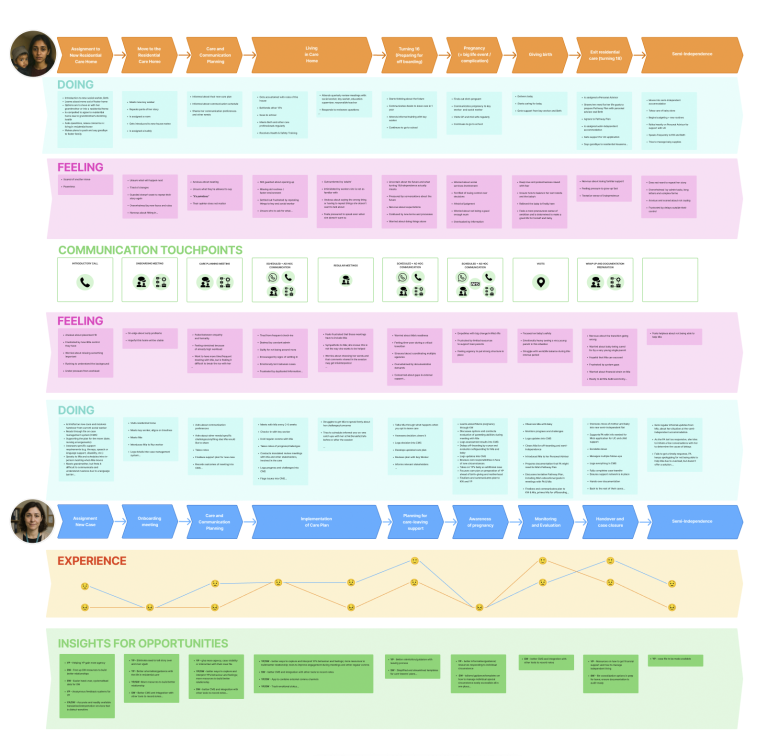
User Journeys - Created and aligned for both stakeholders.
Delivery of the service
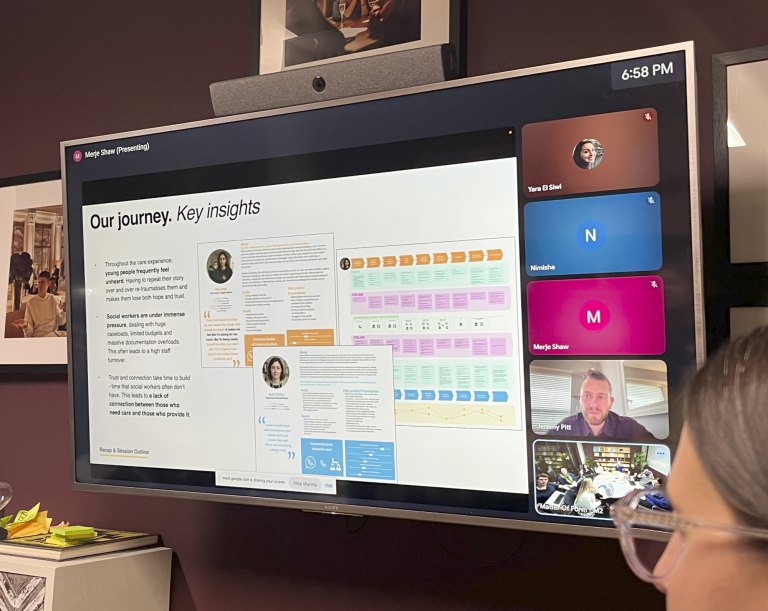
We worked on the client presentation as a team and presented directly to the stakeholders. see here. We wanted to use real emotional hooks to convey the feelings we felt when listening to the stories we had accumilated in Primary and Secondary research as well
as how much we believed in what SH were doing. We invited them to come on a journey with us to put themselves in the mindset of a 16 year old. Our research had provided new insights and justified the existence of the app. I was able to help with the visualisation aspect of the presentation to help lift the style and unify all the graphics.
We walked them through our research as well as our interviews and data collated. Unfurling our A0+ Service blueprint was a highlight see here. In closing
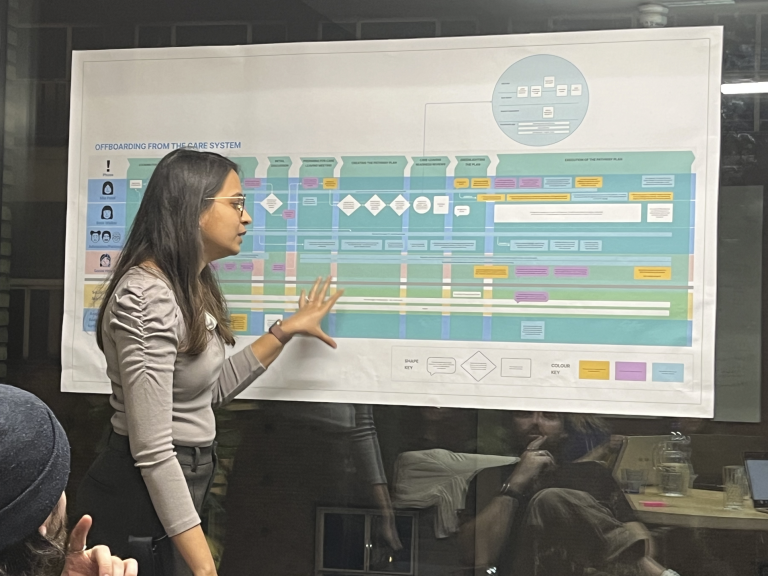
Storyboard - App functionality was discussed and prototypes shown.
Presentation to stakeholders - The story
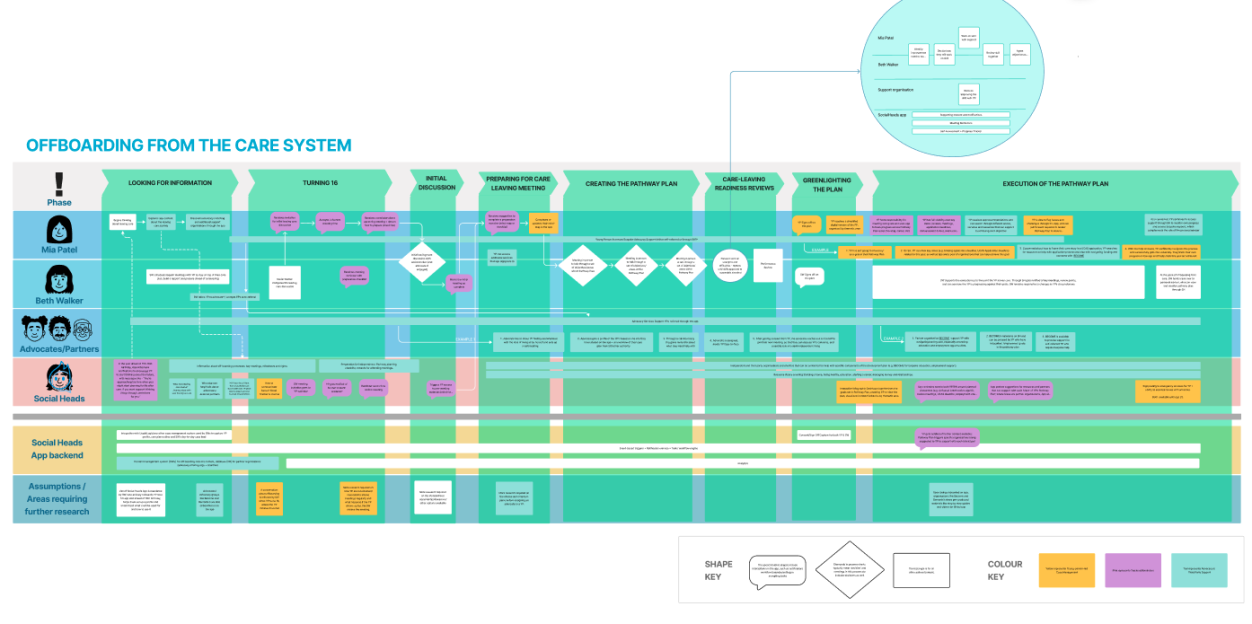
Blueprint A0+
Service Blueprint - Created and aligned for both stakeholders. Download here

I have a passion for user centred design, I look at things from different perspective and a keen eye for graphic design aesthetics, I can help bring your ideas to life!